Comparing The Wicks, Francis, Barrett Plan to the Opposition's Plan
“A commitment to protect public health and safety and to preserve the natural environment through the collection, treatment, and disposal of wastewater in the most cost-effective way possible.”
- Montecito Sanitary District (MSD) Mission Statement
On November 3, 2026, Montecito voters will fill three of five seats on the Montecito Sanitary District (MSD) Board. The MSD Mission Statement makes three promises: (1) Protect community health and safety; (2) Preserve the Natural Environment; and (3) Treat and dispose of wastewater in the most cost-effective way possible.
Only three candidates support all three goals of the MSD Mission Statement. They are Floyd Wicks, Chris Francis and Woody Barrett. Keep these three names next to your ballot material. Become informed. Vote wisely, by mail or in-person.
Let’s compare the two plans within the context of the Mission Statement of the Montecito Sanitary District.
Community Goal #1 -The Protection of Community Health & Safety
The Wicks, Francis, Barrett Plan
Close the current MSD sewer treatment plant. Send Montecito’s sewage to Santa Barbara for regional treatment at a reduced cost. Make MSD a wastewater collection system, not a treatment plant.
Connect Montecito Sanitary to Santa Barbara’s El Estero Resource Center through a regional pipeline that will be put out to bid and awarded to the lowest bid contractor.
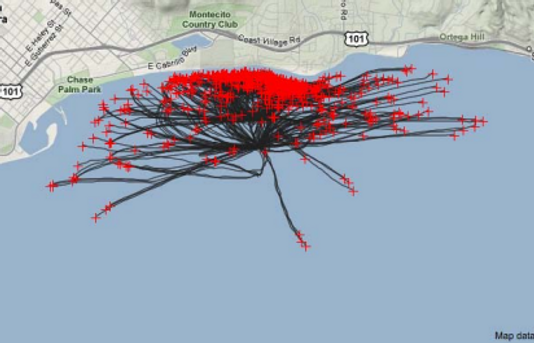
Completely eliminate the current effluent outfall pipe which now dumps 600,000 gallons of partially-treated wastewater each day near Butterfly Beach. This health and safety hazard has alarmed the environmental community for the last 60 years. Get rid of this environmental stain.
Montecito Water has already established a successful regional partnership through a historic 50-year water agreement to purchase a reliable, take or pay supply of 1,430 acre-feet per year of drought-proof drinking water from a variety of City of Santa Barbara sources, including desalinated water.
Improve community health and safety; responsibly protect the environment; and reduce costs for Montecito ratepayers.
The Opposition's Positions
Design, permit and rebuild the existing 65-year-old MSD wastewater plant for a cost estimated at between $50 million to $100 million with no new benefits; same toxic discharge pipe; same plant location; no recycling capability.
Sign a no-bid contract with an unknown company to design and rebuild a new MSD treatment plant, at an unknown cost, with unknown design specifications and an unknown timeline.
Continue to discharge 600,000 gallons of wastewater each day near Butterfly Beach through an inadequate, deficient and abbreviated 65-year-old Santa Barbara Channel outfall pipe.
Opponents claim that Montecito has a crucial need for the annual 500 acre-feet of MSD wastewater that could possibly be recycled in times of drought. The truth is the Montecito community is no longer dependent on unreliable, imported State Water, or on MSD recycled water. The City agreement for a reliable source of local potable water reduces the need and the value of MSD’s recycled water.
Continue to treat MSD wastewater to a level below the standard required to irrigate grass at a higher cost.
Community Goal #2 - Preserve the Natural Environment of Montecito
The Wicks, Francis, Barrett Plan
Closing the current MSD treatment plant would benefit the natural environment for the adjacent environmentally-conscious Music Academy of the West and nearby residents.
Closing the current MSD treatment plant would benefit the natural environment for the adjacent environmentally-conscious Music Academy of the West and nearby residents.
Rarely do stronger environmental protections also reduce costs. Clean beaches help preserve Montecito’s natural coastal environment for homeowners, resort guests, dog walkers, swimmers, surfers, stand-up paddle boarders, sunbathers, and tidepool explorers.
The Opposition's Positions
A rebuilt MSD treatment plant would still emit foul odors, reduce air quality, retain marine discharge of wastewater and continue the same operational noise pollution.
No recycling of wastewater is included in the current rebuild plant plan. What is promised is more of the same secondary treatment at a greater capital cost, and substantial increases in plant operations and maintenance costs.
It makes no sense to pay more to get less, particularly when the opposition plan keeps discharging environmentally dangerous secondary-treated wastewater near Montecito’s beautiful Butterfly Beach.
Community Goal #3 – Treat wastewater in the most cost-effective way possible.
The Wicks, Francis, Barrett Plan
Santa Barbara treats approximately 6 million gallons of wastewater each day---more than 10 times MSD’s volume---at half of the comparable cost per gallon due to economies of scale and other efficiencies, such as a highly-effective methane gas recovery and a cogeneration system that offsets over 70% of the plant’s total electrical needs.
Santa Barbara treats approximately 6 million gallons of wastewater each day---more than 10 times MSD’s volume---at half of the comparable cost per gallon due to economies of scale and other efficiencies, such as a highly-effective methane gas recovery and a cogeneration system that offsets over 70% of the plant’s total electrical needs.
Stop MSD plans to authorize a $42 million bond, guaranteed by Montecito ratepayers, to help pay to rebuild an outdated sewer plant.
Regional recycling is favored by regulators who approve federal and state grants (and/or low-cost loans) because grants and loans to regional plants serve a larger base of customers more efficiently.
Expedited permitting for regional plant solutions is favored because it saves time and lowers costs for a larger base of ratepayers.
The Opposition's Positions
Montecito currently has the highest wastewater treatment rates on the South Coast. Passage by MSD of a mandatory compounded rate increases of 14% per year over the next 5-years to rebuild its current treatment plant only widens that gap. Why take the rebuild route when the regional route offers greater benefits at a lower cost?
Continue the currently-approved 4 more years of annual compounded 14% mandatory increases in rates for MSD ratepayers.
Continue to hire consultants and seek multi-million dollar bond funding to rebuild a local plant.
Reject the facts showing that regional treatment plants receive greater grant opportunities and priority funding because they are more cost-efficient than smaller plants.
Permitting to rebuild an MSD plant is slower, more complicated and more costly.
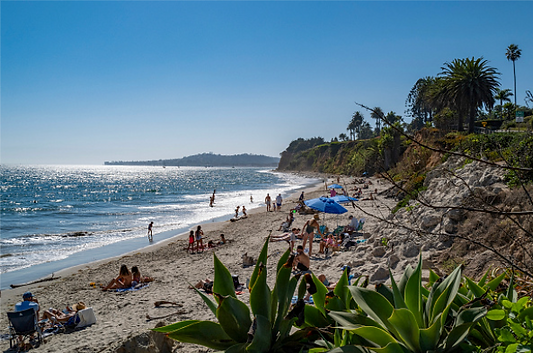
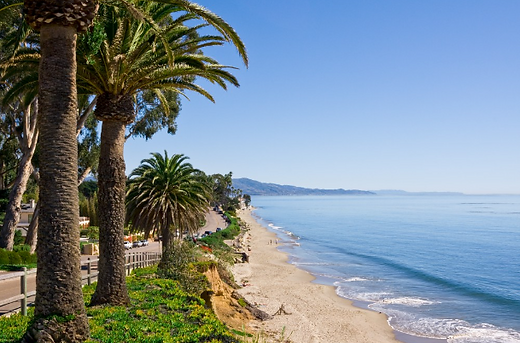
A Clean Butterfly Beach with outfall ELIMINATED under the Wicks, Francis, Barrett Plan